




Heat Treatment ISPM15 (IN - 469 HT)
- Home
- Heat Treatment ISPM15

ISPM-15 Heat Treatment for Wooden Packaging
ISPM-15 heat treatment is a controlled process used to treat qualifying wooden pallets, crates, boxes, skids, dunnage and other wood packaging. The treatment uses controlled heating and temperature monitoring to achieve the required treatment conditions. It is widely used for export packaging and may also be specified for industrial, pharmaceutical, warehousing and other supply-chain applications where treated wooden packaging is required.
Treatment at a Glance
International phytosanitary standard for regulated wood packaging.
Controlled heating and monitoring of qualifying wooden packaging.
56°C minimum at the wood core for 30 continuous minutes.
Temperature monitoring and treatment-cycle records support the applicable treatment requirements.
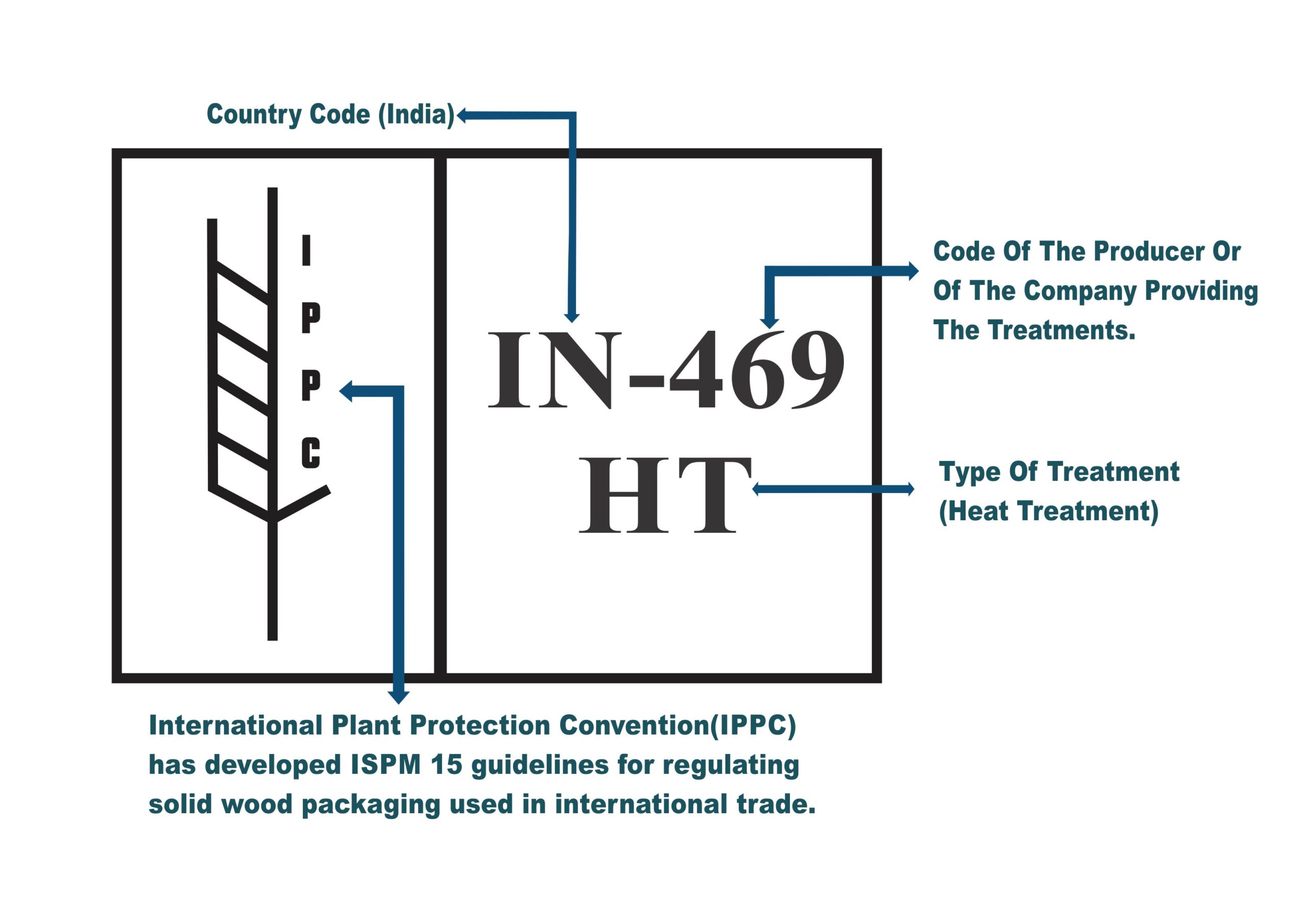
HEAT TREATMENT STAMP DESCRIPTIONS
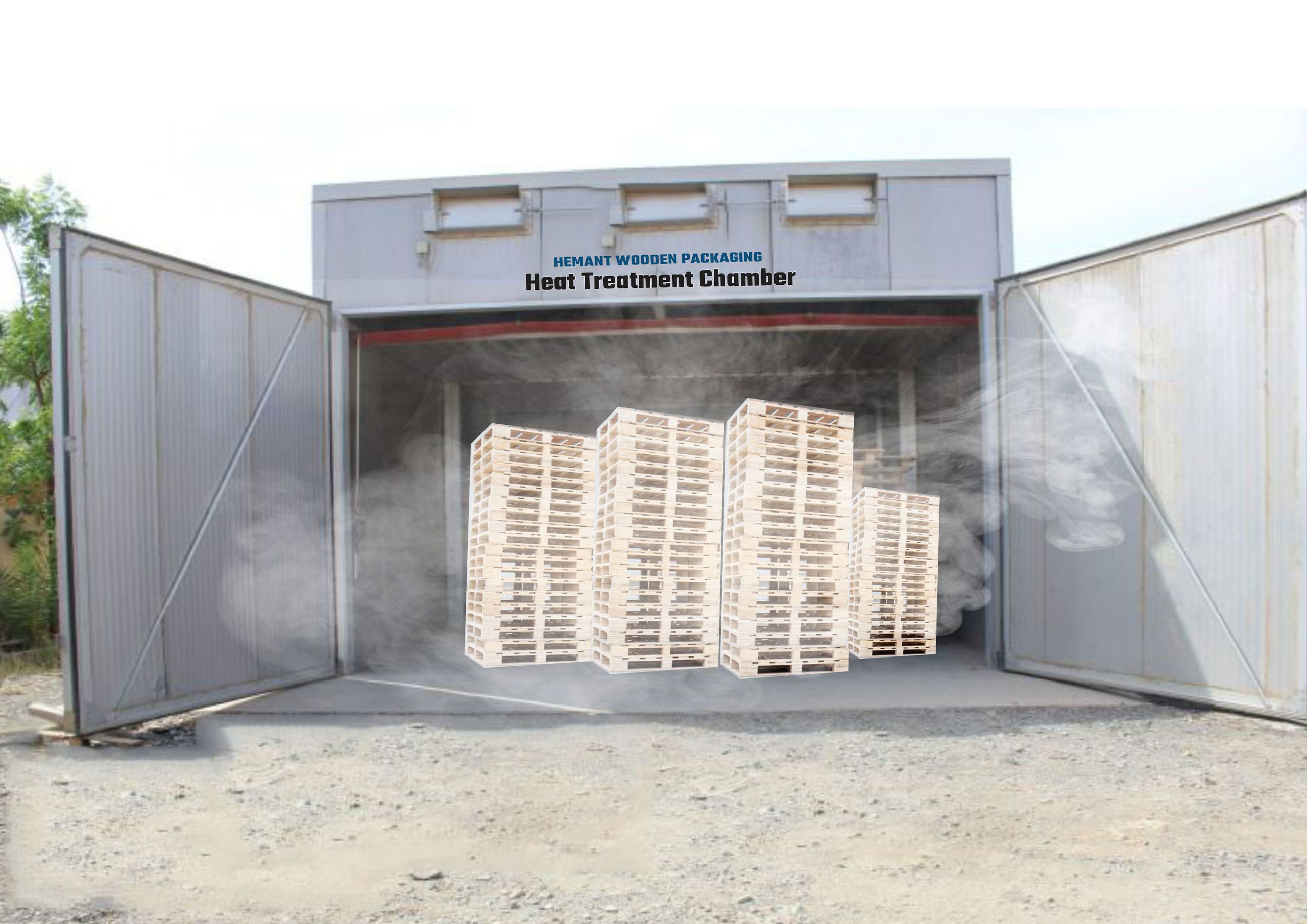
HEAT TREATMENT CHAMBER
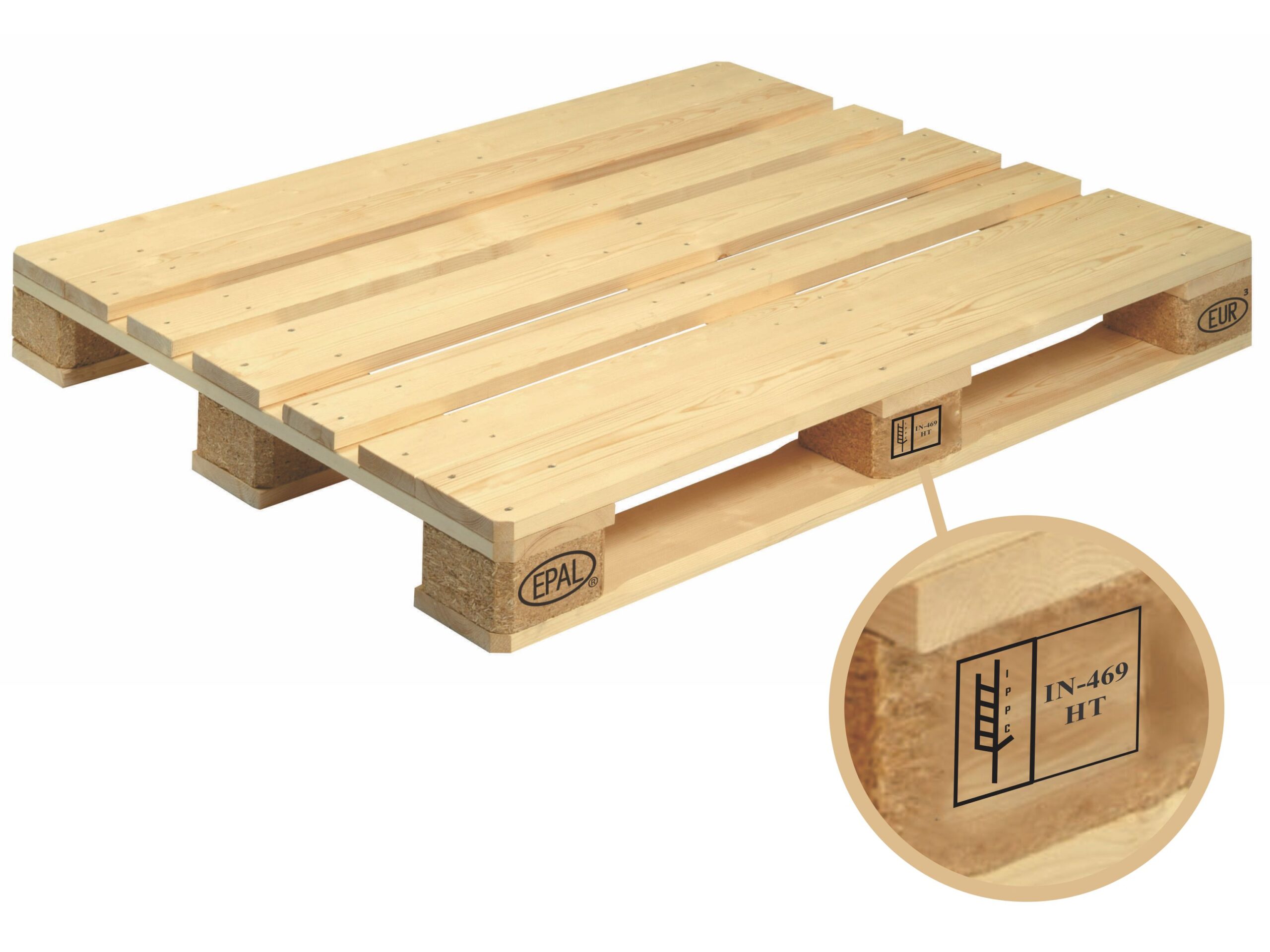
WOODEN PALLET HEAT TREATMENT STAMP
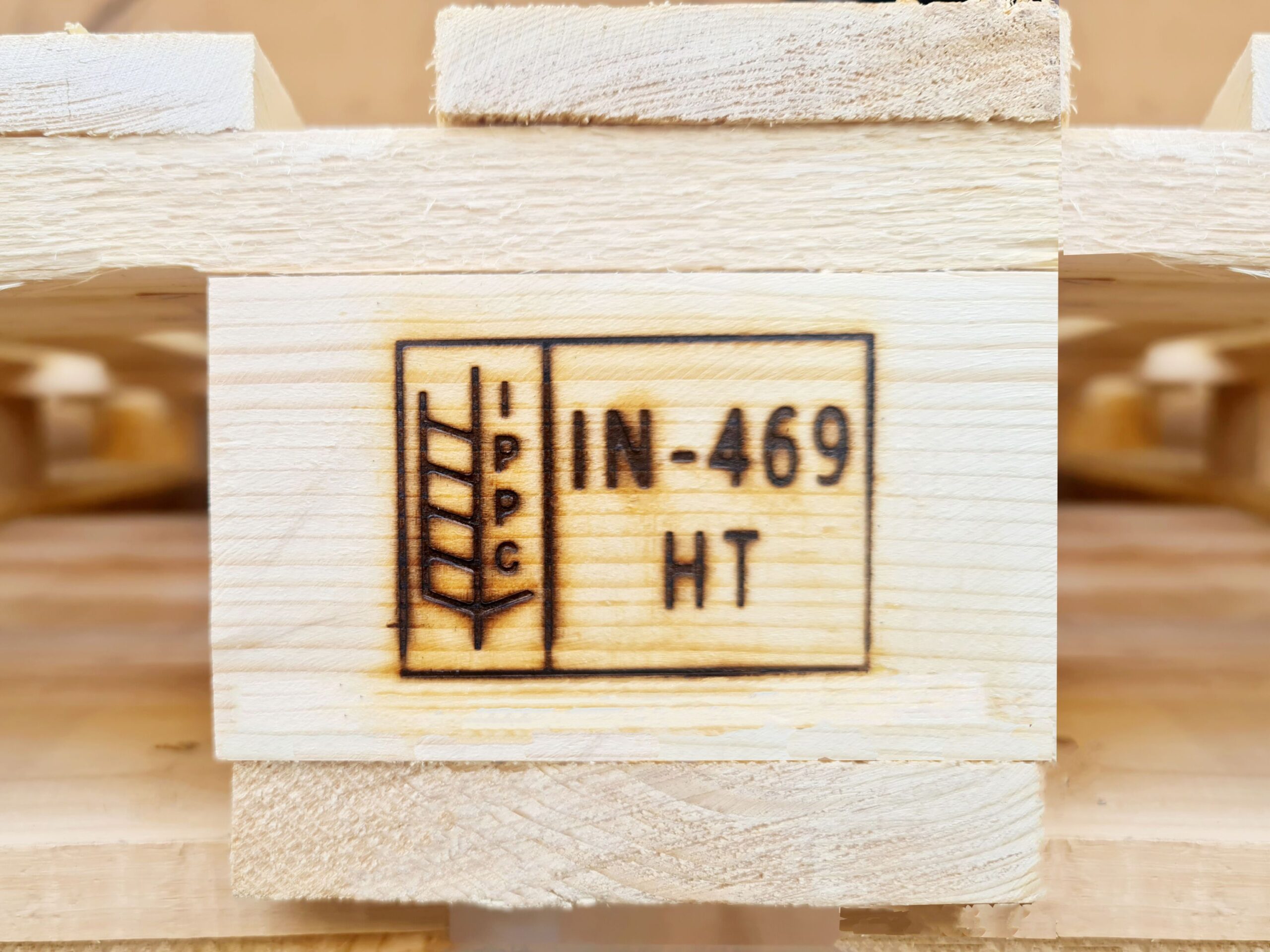
ISPM-15 HEAT TREATMENT STAMP
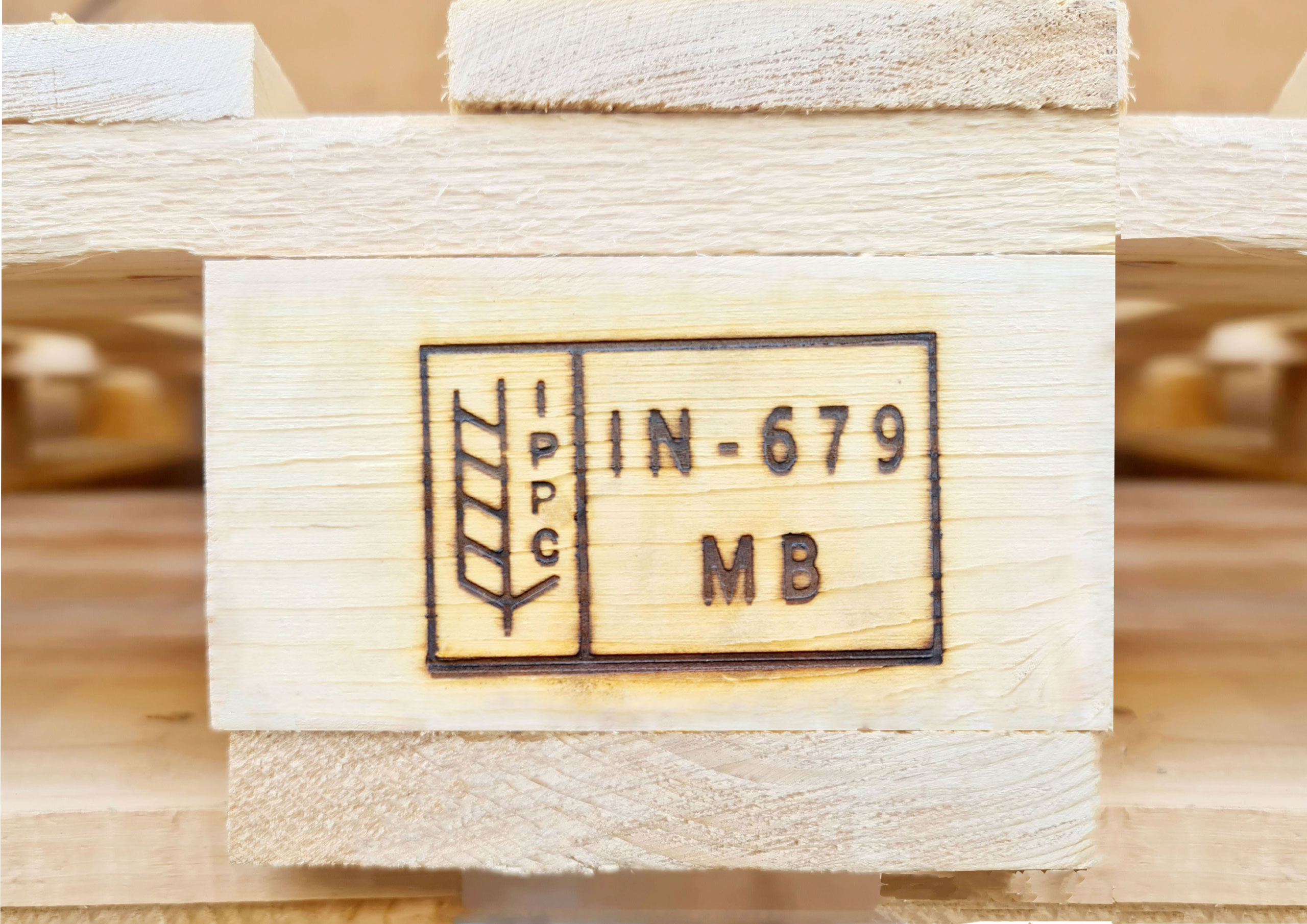
ISPM-15 FUMIGATION TREATMENT STAMP
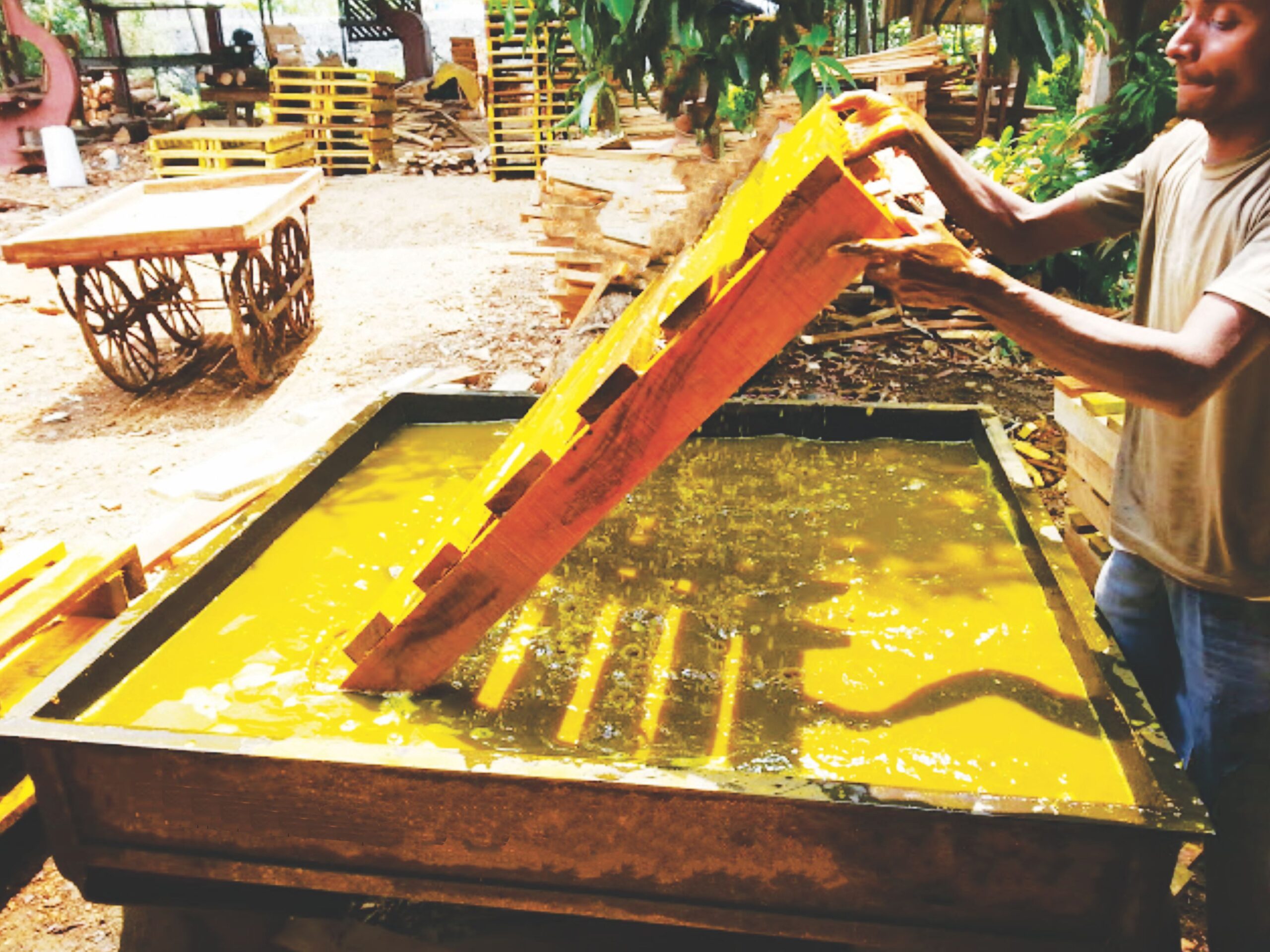
JUNGLE WOOD PALLET CHEMICAL
We are license holders of Heat-Treatment Certificate, Fumigation Treatment Certificate & also we have Pest Control Certificate.
This certification helps confirm that the wooden packaging has been treated in the required manner. The treatment stamp provides a visible indication that the timber material has undergone heat treatment.
Related Heat Treatment Resources
Explore our heat treatment services and certificate documentation to understand the treatment process, monitoring, marking and documentation associated with wooden packaging.
Heat Treatment Services
Explore professional heat treatment services for wooden pallets, crates, boxes, skids and other suitable wood packaging, including controlled chamber processing and treatment monitoring.
Explore Services →Heat Treatment Certificate
Learn about heat treatment certificates, sample documentation, batch details, treatment records, temperature information, HT marking and certification requirements.
View Certificate Guide →What Is ISPM-15 Heat Treatment?
ISPM-15 is an international phytosanitary standard concerned with wood packaging material used in international trade. Heat treatment, commonly identified as HT, is one recognized treatment approach for qualifying wood packaging.
The purpose is not simply to make timber dry. The treatment is intended to reduce the phytosanitary risk associated with pests that may be present in wood packaging used for international movement.
Under the conventional HT schedule, the wood core is required to reach at least 56°C for a continuous 30 minutes. The important point is the temperature reached within the wood, rather than only the temperature of the air circulating inside the chamber.
For exporters, this distinction matters because a wooden pallet or crate being kiln-dried does not automatically mean that it has received an ISPM-15 phytosanitary heat treatment.
For the official standard and implementation guidance, see the International Plant Protection Convention (IPPC) — ISPM-15 reference.
When Is Heat Treatment Used?
Heat treatment is used when wooden packaging needs to satisfy a defined phytosanitary, customer, quality or supply-chain requirement. For international trade, ISPM-15 can be critical for qualifying regulated wood packaging.
It is also common for specific domestic industrial applications where a buyer, warehouse, pharmaceutical company, manufacturer or logistics operation specifies treated wooden pallets or packaging. These domestic requirements should be confirmed with the receiving organisation rather than assumed to apply to every shipment.
Domestic, Industrial & Pharmaceutical Applications
Not every heat-treated pallet in an industrial supply chain is being prepared for an overseas shipment. Some organisations specify treated wooden packaging for their own warehousing, handling, quality or customer requirements.
How ISPM-15 Heat Treatment Works
A controlled treatment is more than placing pallets inside a heated room. Loading arrangement, air circulation, sensor placement, temperature measurement and treatment records all contribute to treatment control.
Packaging Inspection
The wood packaging is reviewed for material, construction, dimensions and treatment suitability before chamber loading.
Chamber Loading
Packaging is arranged to support appropriate hot-air circulation and effective exposure of the wood to the treatment environment.
Sensor Placement
Temperature measurement points are positioned in representative wood locations so the treatment profile can be monitored.
Controlled Heating
The chamber operates under controlled heating while temperature data is monitored during the treatment cycle.
Core Temperature
The conventional HT schedule requires the wood core to achieve at least 56°C for a continuous 30 minutes.
Verification
Treatment readings and the completed cycle are reviewed against the applicable treatment requirements.
Marking & Documentation
Where applicable, treated packaging is handled in accordance with relevant marking and documentation requirements.
Shipment Preparation
The treated packaging can then be coordinated with the export packing and shipment schedule.
Inside the Heat Treatment Chamber
Reliable heat treatment depends on controlled chamber conditions and meaningful temperature measurement. The objective is to establish the required treatment conditions throughout the relevant wood profile.
Chamber Operation
The treatment chamber provides an enclosed environment where heated air can circulate around the loaded wood packaging. Loading density, arrangement and airflow can influence how efficiently heat reaches different parts of the load.
- Controlled hot-air environment
- Suitable arrangement of wooden packaging
- Temperature measurement during treatment
- Attention to representative wood locations
Temperature Monitoring & Records
Monitoring is important because the requirement relates to the wood core temperature. Appropriate measurement points and a reliable recording method help follow the treatment cycle.
- Temperature sensors or probes
- Continuous treatment-cycle monitoring
- Temperature data review
- Verification before treatment completion
Industries Using Heat-Treated Wooden Packaging
Heat-treated wooden packaging is relevant to manufacturers and exporters shipping machinery, equipment, components and other goods internationally.
Why ISPM-15 Heat Treatment Matters
Phytosanitary Compliance
Supports applicable phytosanitary requirements for qualifying wood packaging used in international trade.
Pest-Risk Reduction
The treatment is designed to reduce the risk of pests associated with wood packaging material.
Export Packaging Support
Heat treatment can be coordinated with pallets, crates, boxes, skids and other suitable export packaging.
Controlled Process
Temperature monitoring provides a practical way to follow the treatment cycle.
Traceable Treatment
Appropriate treatment records help document what occurred during the treatment cycle.
Shipment Coordination
Treatment can be planned around the exporter's packaging and dispatch requirements.
Heat Treatment vs Fumigation
Heat treatment and fumigation are different treatment approaches. The suitable option depends on the applicable phytosanitary requirement, destination and shipment circumstances.
| Heat Treatment (HT) | Fumigation |
|---|---|
| Uses controlled heat to achieve the applicable treatment condition. | Uses an approved fumigant treatment where applicable. |
| Conventional HT schedule is based on achieving 56°C at the wood core for 30 continuous minutes. | Has different treatment parameters and operational requirements. |
| Commonly used for qualifying wooden pallets, crates, boxes and other wood packaging. | May be selected where fumigation is the applicable treatment requirement. |
| Requires suitable chamber control and temperature measurement. | Requires controlled fumigation procedures and applicable documentation controls. |
Need fumigation instead? See our fumigation services and fumigation treatment pages.
Heat Treatment Support for Export Packaging
Hemant Wooden Packaging Pvt. Ltd. combines wooden packaging manufacturing with export-treatment support, allowing businesses to coordinate packaging and treatment requirements through one industrial packaging partner.
The company has been operating in the wooden packaging industry since 1982 and provides solutions for industrial and export cargo.
ISPM-15 Heat Treatment Licence
Hemant Wooden Packaging operates with heat-treatment licence reference IN-469 HT.
For a specific shipment, the applicable treatment, packaging material and destination requirements should be confirmed before treatment is scheduled.
Heat Treatment Locations
Explore location-specific information for businesses looking for ISPM-15 heat treatment support.
ISPM-15 Heat Treatment FAQs
What is ISPM-15 heat treatment?
ISPM-15 heat treatment is a recognized phytosanitary treatment for qualifying wood packaging used in international trade. The conventional HT schedule requires the wood core to reach at least 56°C for a continuous 30 minutes.
What temperature is required for ISPM-15 heat treatment?
For the conventional HT treatment schedule, the wood core must reach at least 56°C and remain at or above that temperature for 30 continuous minutes.
How long does ISPM-15 heat treatment take?
The 30-minute holding period starts after the required wood-core temperature has been achieved. The complete chamber cycle can therefore take longer than 30 minutes because the load first has to heat through to the required core temperature.
Is kiln drying the same as ISPM-15 heat treatment?
Not necessarily. Kiln drying is generally concerned with moisture reduction, while ISPM-15 heat treatment is a phytosanitary treatment with specified temperature and time conditions.
Can wooden pallets and crates be heat treated?
Qualifying wooden pallets, crates, boxes, skids, dunnage and other wood packaging can be considered for heat treatment, subject to the material, construction and applicable phytosanitary requirements.
How is the temperature monitored inside the treatment chamber?
Appropriate temperature sensors or probes are used to monitor representative locations in the wood during the treatment cycle. Monitoring focuses on establishing that the applicable core-temperature condition has been achieved and maintained.
Why is wood-core temperature important?
The outside of timber can become hot before the centre reaches the same temperature. For phytosanitary heat treatment, the relevant condition therefore relates to the wood core rather than only the surrounding chamber air.
What is the ISPM-15 HT mark?
The ISPM-15 mark is used on compliant regulated wood packaging in accordance with applicable requirements. The exact marking and authorization arrangements depend on the relevant phytosanitary system and authority.
Do I need a heat treatment certificate?
Documentation requirements can depend on the shipment, destination and applicable regulatory process. If your buyer, forwarder or destination authority requires treatment documentation, confirm the required format before shipment.
Can existing wooden packaging be treated?
This depends on the condition, construction, wood material and treatment suitability of the packaging. The packaging should be inspected before a treatment schedule is confirmed.
Which industries commonly use heat-treated wooden packaging?
Engineering, heavy machinery, automotive, electrical and electronics, industrial equipment, manufacturing, exporters, traders and logistics businesses commonly use wooden pallets, crates, skids or other packaging for international shipments.
Where does Hemant Wooden Packaging provide heat treatment support?
Location-specific information is available for Mumbai, Vasai, Navi Mumbai, Bhiwandi, Thane, Pune and Palghar. Treatment suitability and scheduling should be confirmed according to the shipment and applicable requirements.
Planning an Export Shipment?
Tell us about your cargo, wooden packaging and destination. We can help you understand the applicable treatment and packaging requirements before dispatch.