



What Is a Fumigation Certificate? Complete Guide for Export Shipments
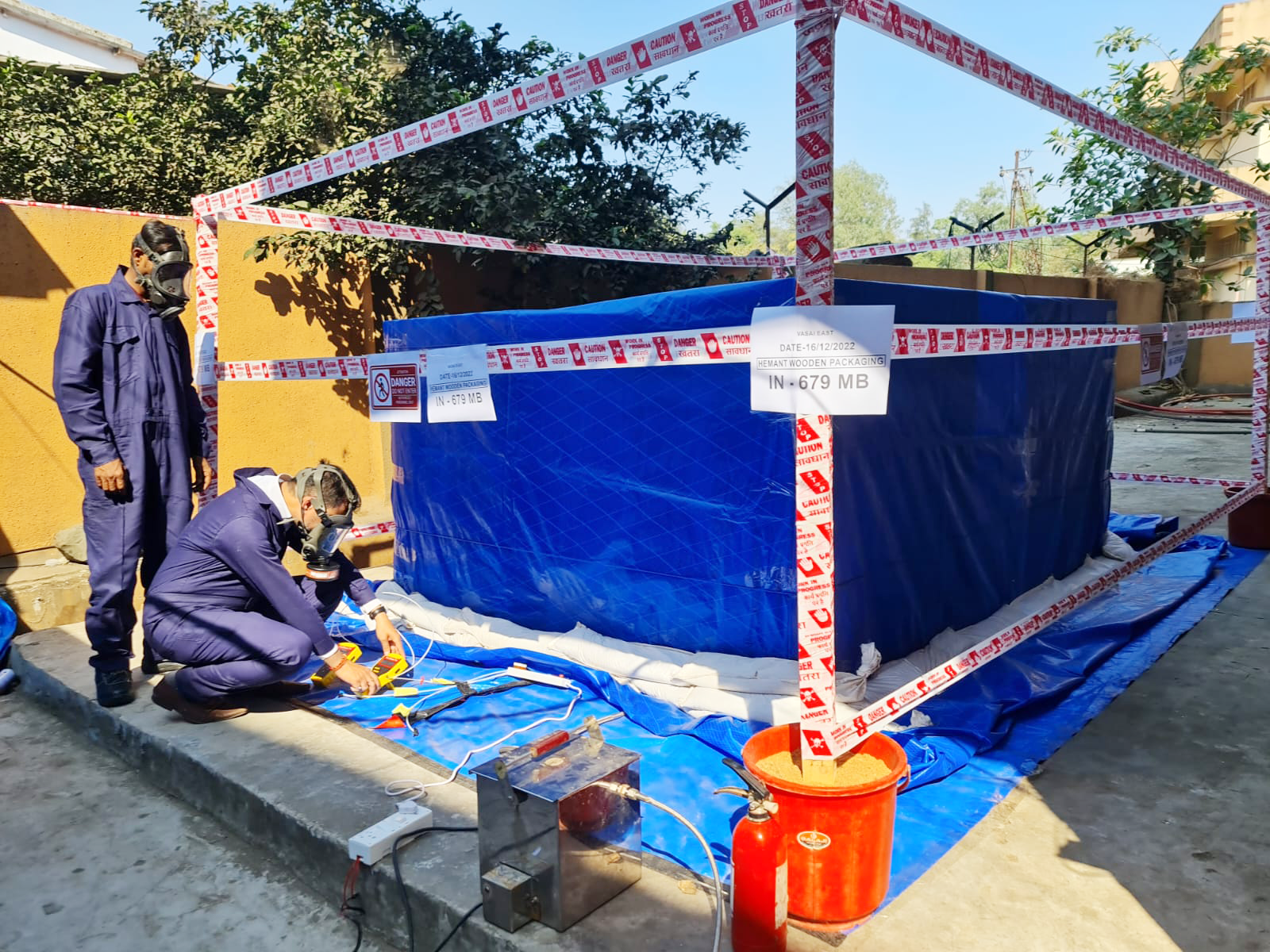
A fumigation certificate is an official document issued after approved fumigation treatment confirms that wooden packaging or export cargo has been treated to help meet applicable import requirements. It is commonly required for international shipments involving wooden boxes, wooden crates, wooden pallets, and other wood packaging materials. Understanding when a treatment certificate is required can help exporters avoid unnecessary customs delays and support smoother international trade.
Export Documentation
Understand the purpose, process, and importance of fumigation certificates for international shipments.
ISPM 15 Support
Learn how fumigation certificates relate to ISPM 15 compliance for wood packaging materials.
Quick Overview
- Required for many international export shipments.
- Supports customs and quarantine documentation.
- Commonly used with wooden boxes, crates, pallets, and packaging.
- Issued after approved fumigation treatment.
- May be required depending on the destination country's regulations.
What Is a Fumigation Certificate?
A fumigation certificate is an official document issued after approved fumigation treatment confirms that export cargo or wooden packaging has been treated to help meet applicable import requirements. It is commonly required for international shipments using wooden boxes, wooden crates, and wooden pallets that may carry insects or wood-boring pests.
The certificate records essential treatment details such as the fumigation method, treatment date, location, chemical used (where applicable), operator information, and shipment details. Customs authorities or plant quarantine agencies in many countries may request this document before allowing imported goods to enter their territory.
For exporters shipping from Mumbai, Vasai, Navi Mumbai, Thane, or other industrial regions, obtaining the correct treatment certificate helps reduce documentation issues, supports customs clearance, and demonstrates compliance with internationally accepted phytosanitary practices for wooden packaging materials.
Export Compliance
Supports international shipment documentation for wooden packaging.
Customs Ready
Helps simplify inspection and customs clearance procedures.
Pest Management
Confirms that approved fumigation treatment has been completed.
International Trade
Commonly used for export shipments requiring wood packaging compliance.
Why Is a Fumigation Certificate Required?
A treatment certificate is more than an export document—it demonstrates that wooden packaging materials have undergone approved treatment before shipment. Many importing countries require this certificate to reduce the risk of introducing harmful insects and wood-boring pests through international trade.
International Trade Compliance
Many countries require a valid fumigation certificate for wooden packaging used in export shipments. Providing the correct documentation helps importers and exporters comply with plant quarantine and customs requirements.
Supports Customs Clearance
A treatment certificate can simplify customs and quarantine inspections by confirming that approved treatment has been completed before the shipment leaves the exporting country.
Helps Reduce Pest Risks
The certificate confirms that the wooden packaging has been treated to reduce the risk of transporting insects, termites, beetles, and other pests that may affect agriculture or forestry.
Protects Export Shipments
Whether shipping wooden boxes, crates, pallets, or industrial machinery, the correct fumigation documentation helps reduce delays caused by missing or incomplete export paperwork.
Supports Documentation Accuracy
The certificate records treatment details, dates, operator information, and shipment references, making it an important supporting document for export logistics and compliance.
Useful Across Multiple Industries
Manufacturers, engineering companies, exporters, logistics providers, and packaging companies commonly require treatment certificates when shipping products using wooden packaging materials.
When Is a Fumigation Certificate Required?
A fumigation certificate is generally required when goods are exported using wooden packaging materials or when the importing country requests proof that approved pest-control treatment has been completed. The exact requirement depends on the destination country's import regulations and the type of cargo being shipped.
Wooden Boxes
Industrial machinery, electrical panels, and export cargo packed in wooden boxes may require fumigation treatment before international shipment.
Wooden Box Manufacturers →Wooden Crates
Heavy machinery, fabricated equipment, and engineering products shipped in wooden crates often require supporting fumigation documentation for export.
Wooden Crates →Wooden Pallets
Export consignments placed on wooden pallets may require treatment depending on destination-country import rules and packaging standards.
Wooden Pallets →Container Export Shipments
Many exporters use fumigation services before loading export containers to help meet shipping documentation and quarantine requirements.
Export Fumigation →International Trade
Countries with strict plant quarantine regulations may request treatment certificates for wooden packaging materials entering their ports.
Fumigation Services →ISPM 15 Compliance
Where ISPM 15 regulations apply, exporters should verify whether treated wood packaging and accompanying documentation meet the destination country's requirements.
ISPM 15 Guide →Understanding a Fumigation Certificate (Sample Explained)
Although certificate formats may differ between accredited operators, most treatment certificates include similar treatment and shipment information. Understanding each section helps exporters verify documentation before dispatching international cargo.
Registration Details
Confirms the accredited fumigation operator and registration information responsible for carrying out the treatment.
Treatment Information
Shows the fumigation method, treatment date, duration, dosage, and chemical used where applicable.
Shipment Details
Includes exporter, importer, cargo description, packaging type, destination, and shipment references.
Official Validation
Contains the authorised signature, company stamp, and certificate details used for export documentation.

How to Obtain a Fumigation Certificate?
Obtaining a fumigation certificate involves more than completing a treatment. The shipment, packaging materials, and documentation must be reviewed before an accredited fumigation operator issues the certificate. While the exact procedure may vary depending on the destination country and shipment type, the general process typically follows these steps.
Inspection
The wooden packaging or export cargo is inspected to determine the appropriate fumigation treatment based on the shipment requirements.
Fumigation Treatment
Approved fumigation treatment is carried out using the required method and, where applicable, the appropriate treatment standards.
Verification
Treatment details are reviewed, recorded, and verified before the shipment documentation is prepared.
Certificate Issued
The treatment certificate is issued with treatment information, shipment details, and operator validation.
Export Dispatch
The certificate accompanies the shipment to support customs clearance and import documentation where required.
Fumigation Certificate Validity and Important Points
One of the most common questions exporters ask is how long a fumigation certificate remains valid. The validity period may vary depending on the treatment method, destination country, and applicable import regulations. Exporters should always verify current requirements before dispatching international shipments.
21 Days
Typical Shipment Window*
Many treatment certificates specify that the treated consignment should be shipped within the prescribed validity period mentioned on the certificate.
-
✓
Check the Validity Period
Always review the validity printed on the certificate before scheduling cargo dispatch or customs documentation.
-
✓
Destination Country Rules
Different countries may have different quarantine and import requirements. Always verify the latest regulations with the importer or relevant authorities.
-
✓
Match Shipment Details
Ensure that the exporter, consignee, packaging type, and treatment information on the certificate match the shipping documents.
-
✓
Keep Original Documentation
Carry the original fumigation documentation together with other export documents to help avoid delays during customs or quarantine inspections.
Fumigation Certificate vs Phytosanitary Certificate
Although these documents are often mentioned together in international trade, they serve different purposes. Understanding the difference helps exporters prepare the correct documentation and avoid delays during customs or plant quarantine inspections.
Common Export Documentation Mistakes to Avoid
Many export shipment delays occur because of documentation errors rather than transportation issues. Reviewing your fumigation certificate and supporting export documents before dispatch can help reduce avoidable customs and quarantine complications.
Using an Expired Certificate
Always verify the validity period mentioned on the treatment certificate before the shipment is dispatched.
Incorrect Shipment Information
Exporter, importer, cargo description, packaging details, and shipment references should match all export documents.
Ignoring Destination Requirements
Documentation requirements vary between countries. Always confirm current import regulations before shipping.
Incomplete Supporting Documents
A treatment certificate may need to accompany other export documentation depending on the shipment and destination.
Late Treatment Planning
Scheduling fumigation at the last moment may affect shipment timelines, especially for time-sensitive export consignments.
Using Untreated Wooden Packaging
Wooden boxes, crates, and pallets should meet the applicable treatment requirements before international dispatch.
Export Documentation Checklist Before Shipping
Before dispatching an international shipment, exporters should verify that all required documents are complete and consistent. A final review can help reduce delays during customs clearance, quarantine inspections, and destination-country import procedures.
Commercial Invoice
Ensure the invoice contains accurate exporter, importer, and product details.
Packing List
Verify quantities, package dimensions, weights, and packaging descriptions.
Fumigation Certificate
Confirm that the certificate details match the shipment and remain valid before dispatch.
Wood Packaging Compliance
Where applicable, confirm compliance with ISPM 15 requirements for wooden packaging materials.
Transport Documents
Prepare the Bill of Lading, Air Waybill, Shipping Bill, or other transport documents required for the shipment.
Destination Country Requirements
Review the importing country's latest documentation and quarantine requirements before shipment.
Packaging Inspection
Inspect wooden boxes, crates, pallets, and export packaging before loading the cargo into the container.
Professional Fumigation Support
If required, arrange certified Fumigation Services before export dispatch.
Frequently Asked Questions About Fumigation Certificates
Find answers to some of the most common questions related to export certificate, export documentation, wooden packaging, and international shipping requirements.