





5 Smart Benefits of Wooden Pallets for Warehouse Storage Systems
Warehouse management is not only about storing products. It is about maintaining organized inventory flow, improving handling efficiency, reducing damage risk, and maximizing storage space utilization. In industrial environments, warehouse pallets play a major role in maintaining smooth operations and safe material movement.
Modern industries rely on durable industrial wooden pallets to improve storage efficiency, simplify loading operations, and protect goods during warehouse handling. Proper pallet systems also support faster dispatch, inventory organization, and safer forklift movement inside warehouses.
1. How Warehouse Pallets Improve Storage Space Utilization
One of the biggest advantages of wooden pallets for warehouse storage is better space management. Organized pallet placement helps industries store products systematically while maximizing vertical and horizontal warehouse space.
Warehouse pallets allow businesses to maintain proper product stacking and improve accessibility during loading and unloading operations.
- Improved storage organization
- Better inventory accessibility
- Efficient pallet racking support
- Reduced floor congestion
2. Safer Material Handling Operations
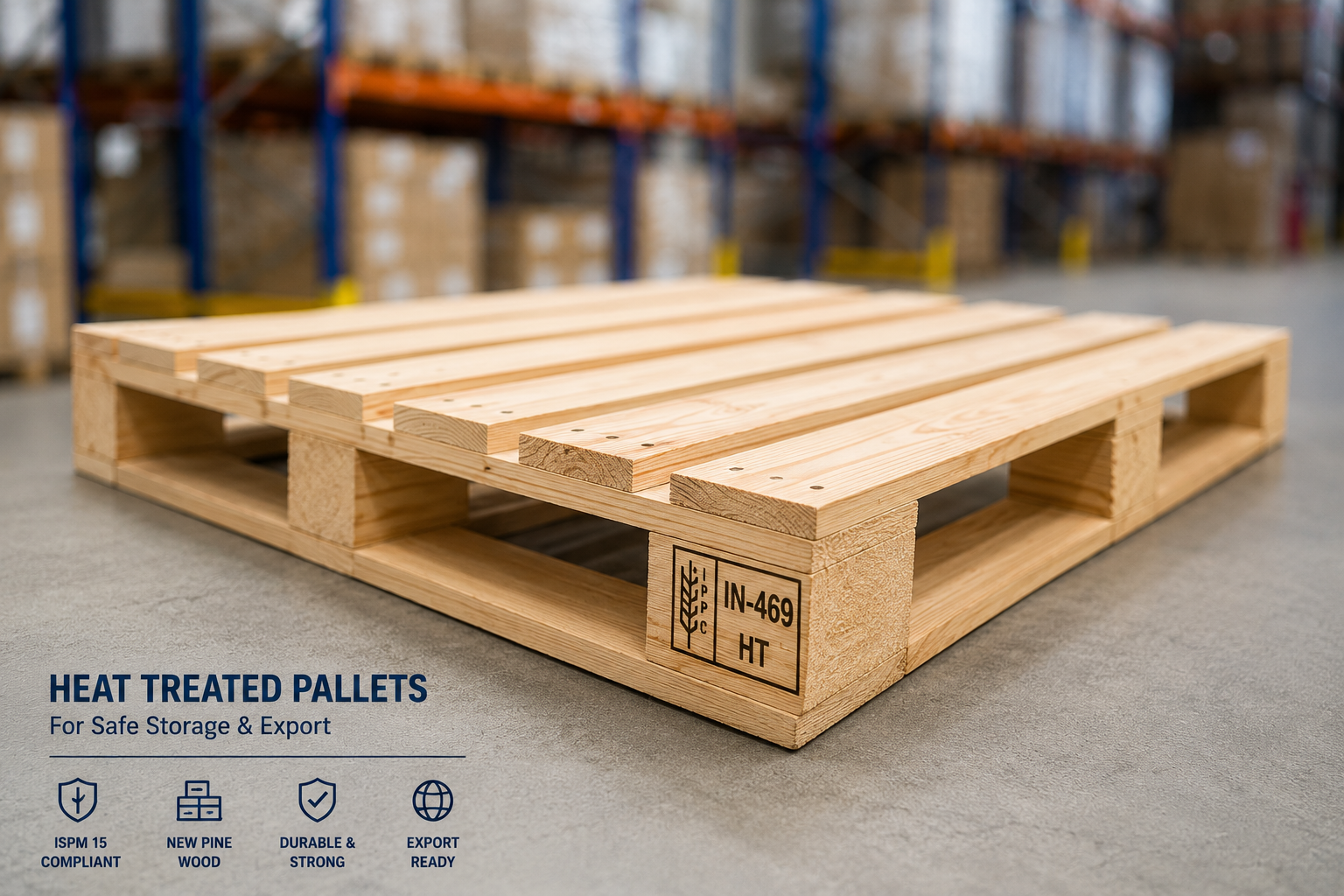
Warehouse environments involve constant movement of goods through forklifts, pallet trucks, and manual handling equipment. Poor pallet quality can increase the risk of load imbalance and product damage.
Strong wooden pallets provide stable support for industrial products during movement inside storage facilities.
- Improved forklift handling safety
- Reduced product shifting
- Lower damage risk
- Better load stability
Businesses often depend on reliable wooden pallet manufacturers for customized pallet designs based on warehouse handling conditions.
3. Improved Inventory Organization and Workflow
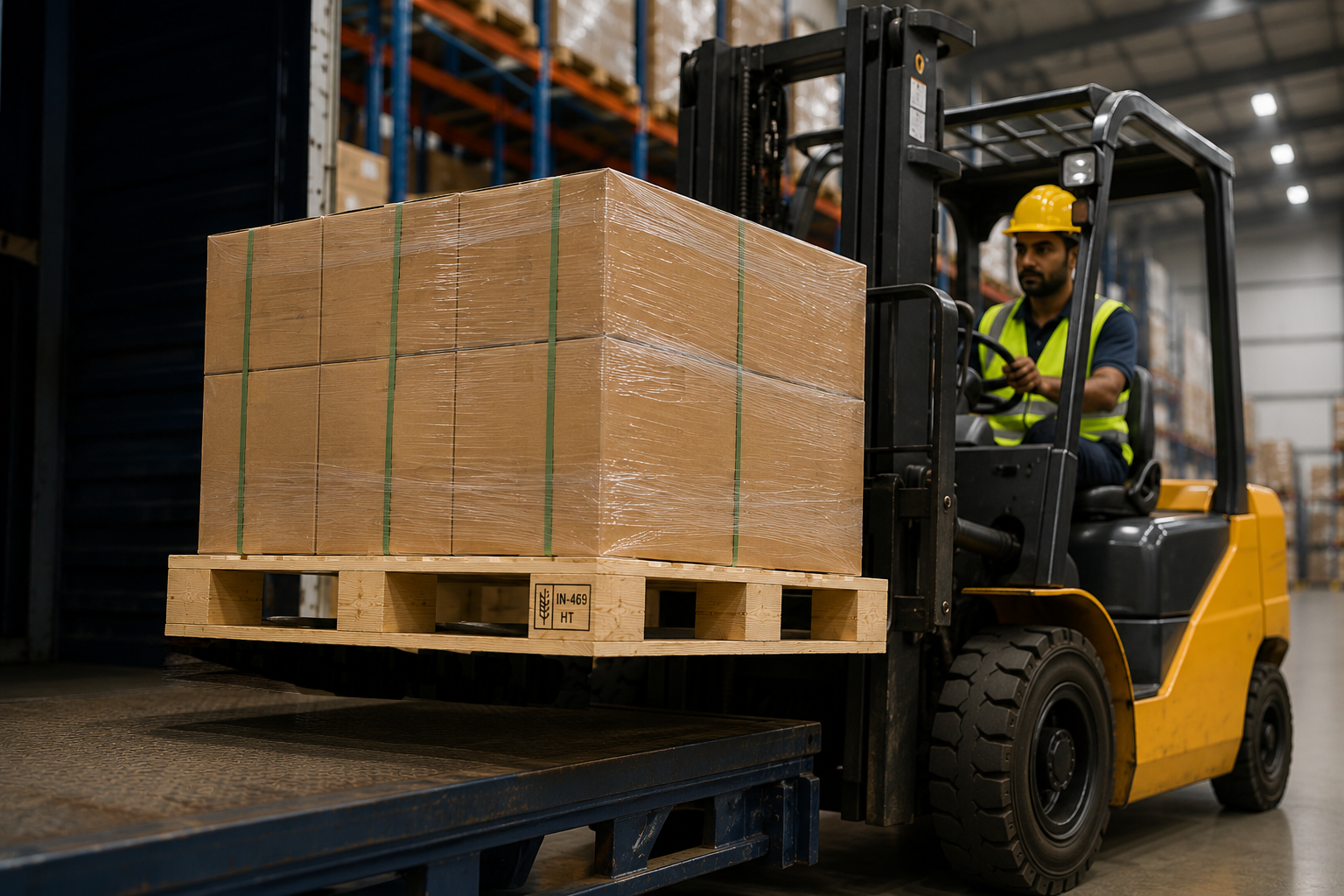
Warehouse pallets help industries create structured inventory systems. Products stored on pallets are easier to identify, move, and manage compared to loose floor storage.
Proper pallet arrangements also improve warehouse workflow and reduce operational confusion during dispatch activities.
- Faster inventory tracking
- Reduced handling confusion
- Improved dispatch efficiency
- Better warehouse cleanliness
Systematic pallet storage plays an important role in maintaining industrial productivity and operational consistency.
4. Heat Treated Wooden Pallets for Safe Storage
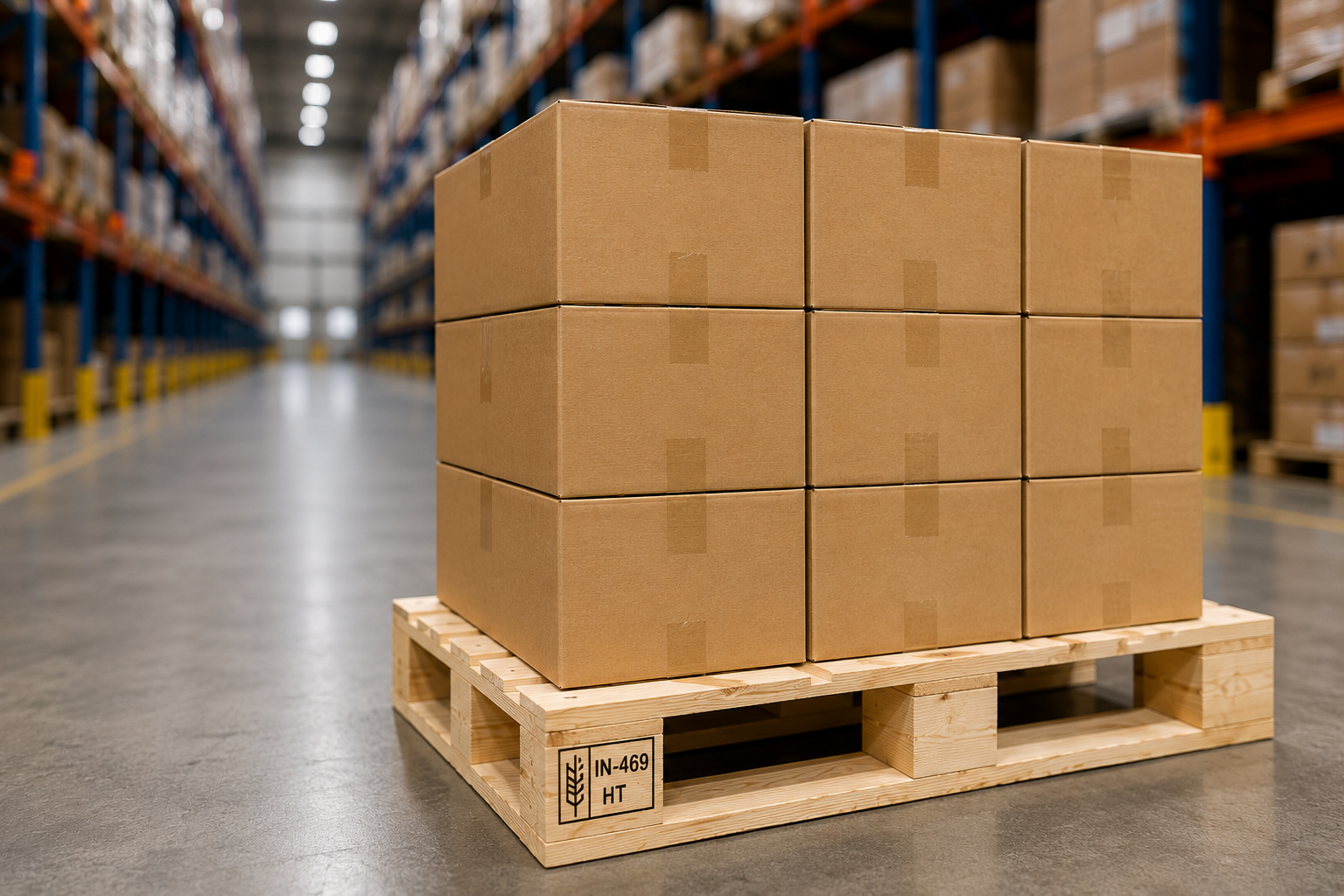
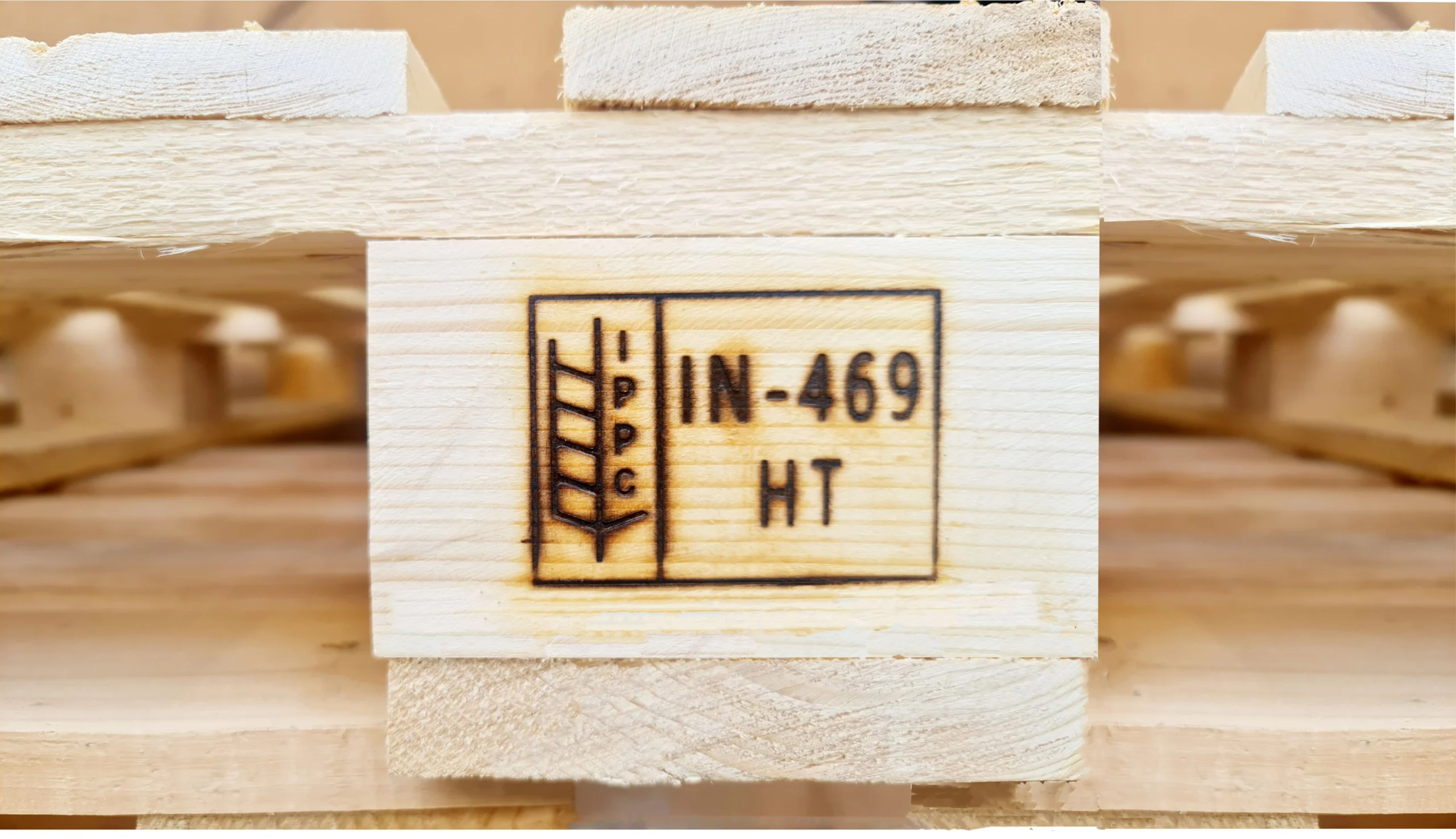
Industrial warehouses storing export goods often require heat treated pallets to maintain international packaging compliance and reduce pest-related risks.
Heat treatment also improves pallet durability by reducing excess moisture content inside the wood.
- Reduced moisture problems
- Better pallet durability
- Export compliance support
- Safer industrial storage conditions
Warehouses handling export shipments must follow proper packaging standards to maintain smooth international logistics operations.
5. Long-Term Cost Efficiency for Industrial Warehouses
High-quality warehouse pallets help industries reduce repeated packaging replacement costs and product handling losses.
Durable wooden pallets can withstand repeated warehouse movement, stacking pressure, and transportation activities for longer periods.
- Reduced pallet replacement frequency
- Lower product damage risk
- Improved operational consistency
- Long-term warehouse efficiency
Integrated palletization services also help businesses improve packaging workflow and warehouse management.

Conclusion
Warehouse pallets are an essential part of modern industrial storage systems. They improve inventory organization, warehouse safety, handling efficiency, and long-term operational performance.
Industries using durable wooden pallets benefit from better storage management, reduced handling risks, and improved warehouse productivity.
For international export packaging standards, refer to the official ISPM 15 guidelines by the International Plant Protection Convention (IPPC).
Industries using durable warehouse pallets benefit from better storage management, reduced handling risks, and improved warehouse productivity.