





Export Wooden Boxes: Complete Buyer Guide for Safe International Shipping
Export shipments face risks that go far beyond normal transportation challenges.
Cargo damage, customs delays, moisture exposure, and compliance issues can result in significant financial losses for exporters.
This is why export wooden boxes continue to be one of the most trusted industrial wooden packaging solutions for industrial machinery, engineering products, electrical equipment, and project cargo.
The right export wooden box protects not only the product but also the entire supply chain.
In this guide, we'll explain how export wooden boxes work, what factors influence their design, and what buyers should verify before dispatching international shipments.
Why Export Packaging Failures Cost More Than Product Damage
Many exporters assume that packaging is only meant to prevent physical damage.
In reality, poor export packaging can affect delivery schedules, customs clearance, customer satisfaction, and overall project timelines.
Common Risks of Inadequate Export Packaging
⚠ Shipment Delays
⚠ Cargo Repacking Costs
⚠ Moisture Damage
⚠ Customs Inspection Issues
⚠ Customer Complaints
⚠ Insurance Claims
For high-value industrial shipments, packaging failures often cost significantly more than the packaging itself.
Industries That Depend on Export Wooden Boxes
Export wooden boxes are used across multiple industries where product safety, international transportation, and handling reliability are critical.
⚙ Machinery
CNC machines , industrial equipment and production systems.
🔩 Engineering
Fabricated structures, precision components and assemblies.
⚡ Electrical
Electrical panels, transformers and control systems.
🏗 Project Cargo
Heavy equipment and oversized industrial shipments.


Anatomy of an Export Wooden Box
A properly designed Wooden Box for Export consists of several structural components working together to protect cargo during international transportation.
1. Wooden Base
Supports the load and provides forklift handling access.
2. Side Panels
Protect cargo against external impacts and handling damage.
3. Internal Bracing
Prevents product movement during transit.
4. Fasteners & Bolting
Maintain box integrity during long-distance export shipments.
Sea Freight vs Air Freight Export Wooden Boxes
The packaging requirements for sea freight and air freight are significantly different. Choosing the right export wooden box depends on transit conditions, shipment value, and transportation mode.
| Factor | Sea Freight | Air Freight |
|---|---|---|
| Transit Duration | Long | Short |
| Moisture Risk | High | Low |
| Protection Level | Maximum | Moderate |
| Weight Sensitivity | Low | High |
💡 Expert Tip: Sea freight shipments usually require stronger wooden boxes and seaworthy export packing additional moisture protection, and better internal stabilization compared to air freight shipments.
Seaworthy Packing vs Standard Wooden Box
Many exporters assume that every wooden box is suitable for international shipping. However, seaworthy packing provides additional protection against moisture, long transit durations, and rough handling conditions.
| Feature | Standard Wooden Box | Seaworthy Packing |
|---|---|---|
| Export Ready | Limited | Yes |
| Moisture Protection | Basic | Advanced |
| Long Transit Support | Limited | Excellent |
| Corrosion Control | Optional | Recommended |
For high-value machinery and international shipments, many exporters prefer wooden boxes for export, seaworthy export packing is generally the preferred option.
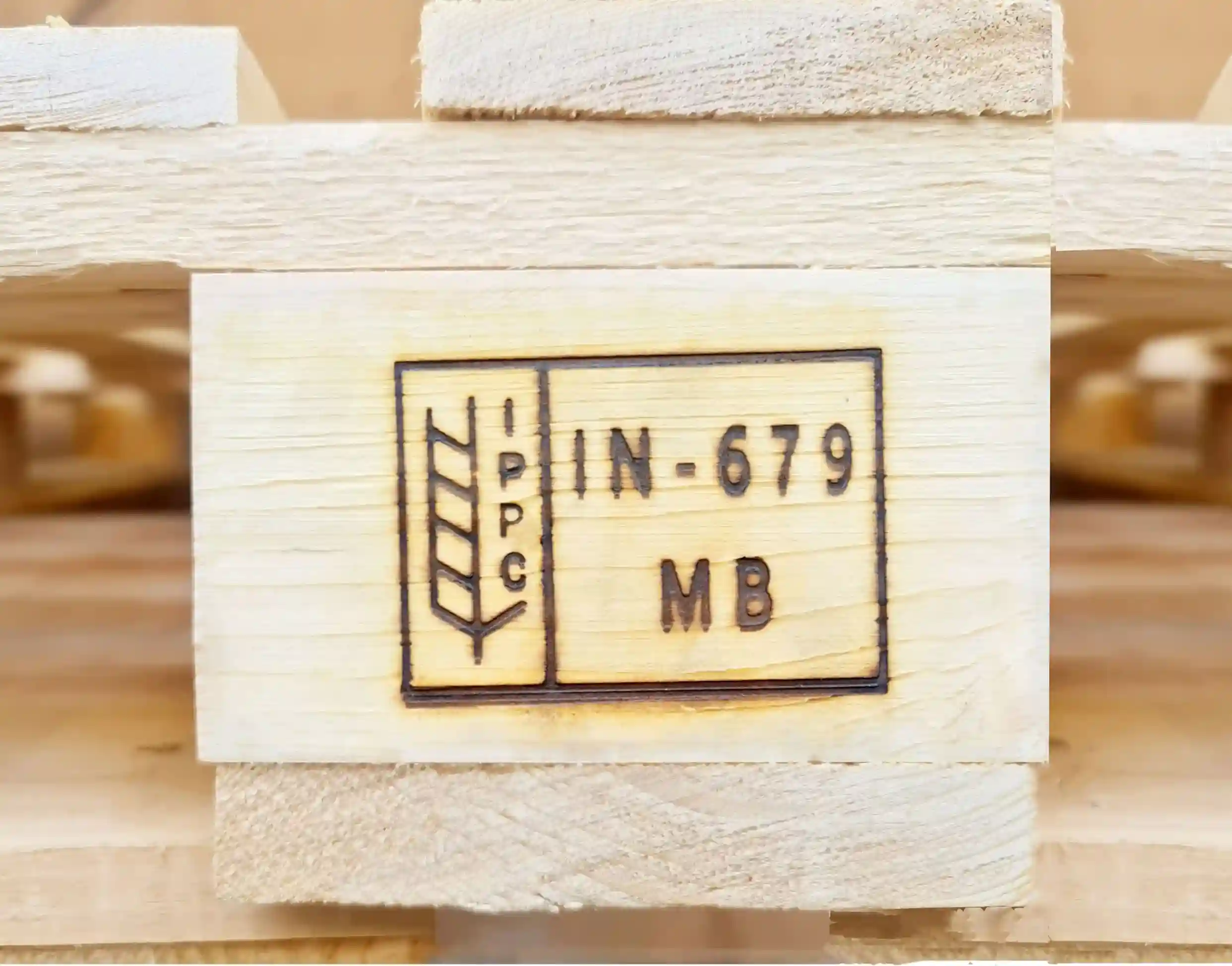
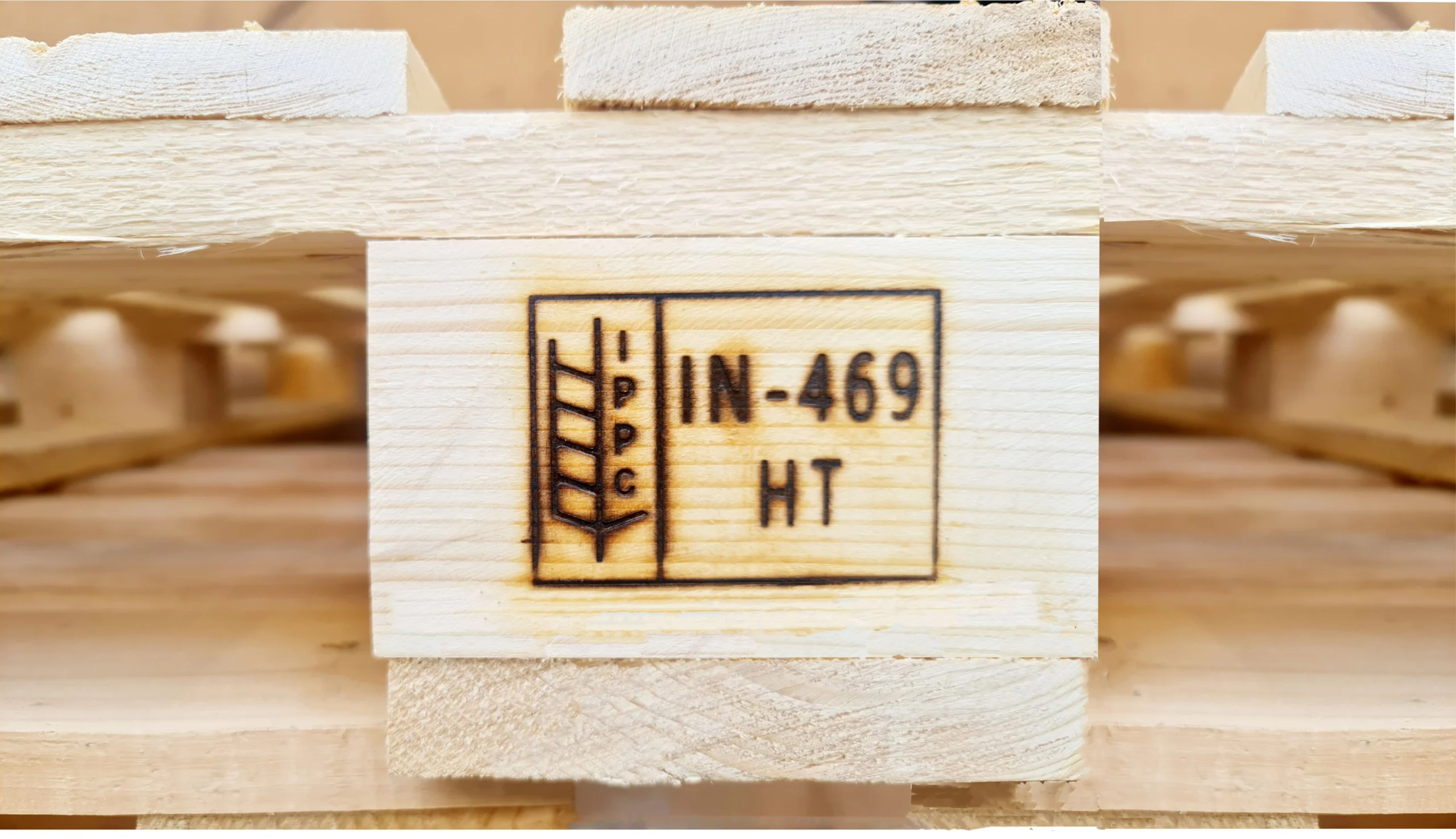
ISPM 15 Verification Checklist Before Export
Before dispatching any international shipment, exporters should verify that the wooden packaging complies with ISPM 15 requirements.
Failure to meet these requirements can result in shipment delays, customs inspections, additional charges, or cargo rejection.
✓ Treatment Completed
Confirm the packaging material has undergone approved treatment.
✓ Proper Marking
Check that required export markings are clearly visible.
✓ Documentation
Ensure all supporting export documents are available.
✓ Destination Review
📌 Buyer Tip: Always verify export compliance before cargo dispatch. Correcting packaging issues after the shipment reaches a port can be costly and time-consuming.
7 Factors That Affect Export Wooden Box Design
Every export shipment has unique packaging requirements. The following factors play a major role in determining the design and strength of an export wooden box.
Determines load-bearing strength.
May require custom wooden box solutions.
May require specific compliance standards.
Sea, air, or road transport requirements.
Long transit needs stronger protection.
Moisture and environment exposure.
Higher-value cargo requires enhanced protection and stabilization.
Export Wooden Box Inspection Checklist
Before dispatching any international shipment, a final inspection should be conducted to ensure the packaging meets transportation, handling, and export requirements.
Pre-Dispatch Audit Checklist
| ✓ Box dimensions verified | ☐ |
| ✓ Weight capacity confirmed | ☐ |
| ✓ Internal bracing inspected | ☐ |
| ✓ Fasteners and bolting secured | ☐ |
| ✓ Forklift access verified | ☐ |
| ✓ Moisture protection applied | ☐ |
| ✓ Export markings visible | ☐ |
| ✓ Packaging approved for dispatch | ☐ |
📋 Best Practice: A documented inspection process helps reduce shipment risks and improves consistency across export consignments.
Example: Exporting a CNC Machine
To understand how export wooden boxes are designed, let's consider a CNC machine being shipped internationally.
Typical Packaging Considerations
- Machine weight and center of gravity
- Forklift and crane handling requirements
- Internal stabilization during transit using skids packing solutions
- Moisture protection for electronic components
- Secure bolting arrangements and export compliance requirements
- Container loading and unloading conditions
A packaging design suitable for a CNC machine may not be suitable for electrical panels, fabricated structures, or project cargo. Export packaging should always be designed according to product-specific requirements.
Final Buyer's Checklist Before Dispatch
Before approving an export shipment, buyers should perform a final packaging review to ensure the cargo is protected throughout the international transportation process.
Export Shipment Approval Checklist
📦 Key Takeaway: The most successful export shipments are planned before dispatch. A proper packaging review helps reduce transportation risks, minimize delays, and improve delivery reliability.
Conclusion: Choosing the Right Export Wooden Box Is an Investment in Shipment Safety
Export shipments face multiple risks including rough handling, moisture exposure, long transit durations, customs inspections, and storage challenges. A properly designed export wooden box helps reduce these risks and improves the overall reliability of international transportation.
From selecting the correct box design to verifying compliance requirements and cargo protection measures, every step plays an important role in ensuring that products arrive safely at their destination.
What Buyers Should Remember
✓ Export packaging should be designed according to the product.
✓ Transportation conditions influence packaging requirements.
✓ Compliance verification is essential before dispatch.
✓ Internal stabilization is as important as external protection.
✓ Proper packaging reduces risk, delays, and unexpected costs.
Whether you are exporting machinery, industrial equipment, electrical panels, fabricated structures, or project cargo, selecting the right export packaging solution can significantly improve shipment safety and operational efficiency.
Need Professional Export Packaging Solutions?
Professional export wooden boxes, seaworthy packing, industrial packaging, and customized cargo protection solutions help businesses transport products safely across domestic and international markets.
Frequently Asked Questions (FAQs)
1. What are export wooden boxes?
Export wooden boxes are specially designed packaging solutions used to protect industrial products, machinery, and equipment during international transportation and storage.
2. Why are wooden boxes used for export shipments?
Wooden boxes provide strength, durability, handling support, and protection against transportation-related risks, making them suitable for export cargo.
3. Are export wooden boxes suitable for heavy machinery?
Yes. Export wooden boxes are widely used for heavy machinery, industrial equipment, fabricated structures, and project cargo shipments.
4. What is the difference between a standard wooden box and a seaworthy wooden box?
Seaworthy wooden boxes include additional protection measures designed for long-duration sea transportation, moisture exposure, and international logistics conditions.
5. What factors influence export wooden box design?
Key factors include cargo weight, dimensions, destination country, transportation mode, transit duration, storage conditions, and cargo value.
6. What is ISPM 15 compliance?
ISPM 15 is an international standard that regulates wood packaging materials used in global trade to help reduce the spread of pests between countries.
7. Can export wooden boxes be customized?
Yes. Export wooden boxes can be manufactured according to product dimensions, weight, lifting requirements, and transportation conditions.
8. How are export wooden boxes inspected before dispatch?
Inspection generally includes checking dimensions, structural strength, internal supports, markings, moisture protection, and handling provisions.
9. Which industries commonly use export wooden boxes?
Industries such as engineering, machinery manufacturing, pharmaceuticals, electrical equipment, automation, and project cargo frequently use export wooden boxes.
10. How do I choose the right export wooden box?
The right export wooden box should be selected based on product characteristics, shipping method, export requirements, handling conditions, and protection needs.